Table of contents
Medical Disclaimer:
The information provided here is for educational purposes only and does not replace professional medical advice, diagnosis, or treatment. Always consult your doctor or neurologist for personalised guidance, especially if symptoms worsen or change.
How to Achieve “Quality of life” The (not so) secret formula
The basic ingriedients for Achieving Quality of Life.
Across the various organizations and medical insights examined—including The Michael J. Fox Foundation, National Parkinson Foundation, the Davis Phinney Foundation, and the European Parkinson Therapy Centre—achieving a high quality of life (QoL) relies on several shared, core principles:
- A Holistic, Multi-Pillar Approach: Medication (such as Levodopa) is treated as an essential foundation, but not a standalone solution.True well-being requires pairing medical treatment with targeted exercise, physical therapy, tailored nutrition, sleep management, and emotional support [Source:: European Parkinson Therapy Centre| Un approccio olistico] .
- Mindset Shift: Reframing the diagnosis from a passive “sentence” into an active journey of self-management. Organizations emphasize “living well today” [Source: Davis Phinney Foundation – Inspiring People with Parkinson’s] and focusing on hope, personal dignity, and active engagement rather than fear.
- Movement &Neuroplasticity: Physical activity—such as structured exercise, gait and balance work, or cycling—is highlighted as vital for maintaining functional mobility, strength, and stimulating the brain’s ability to adapt [Source: European Parkinson Therapy Centre | Un approccio olistico]
- .Addressing Non-Motor Psychological Symptoms: Quality of life requires equal attention to non-motor challenges, including mood, anxiety, apathy, sleep, cognition, and intimate/sexual health.Involving Family and Care Partners: Recognizing that Parkinson’s affects the whole family unit . Preventing caregiver burnout through guidance, emotional support, and shared education is essential for long-term home stability [Source: PARKINSON PODCAST NETWORK] .
- Community & Connection: Overcoming isolation by connecting with peer experts, local ambassadors, support groups, and shared educational resources [Source: Davis Phinney Foundation – Inspiring People with Parkinson’s] .
Add a little spice and flavour
The European Parkinson Therapy Centre’s Approach is Unique
- [Source: PARKINSON PODCAST NETWORK]
- [Source: European Parkinson Therapy Centre | Un approccio olistico]
While aligning with global holistic principles, the European Parkinson Therapy Centre (EuPaTh) distinguishes itself through several specialized features:
- “Treating People, Not Patients” in a Thermal Spa Resort: The Centre consciously rejects cold, clinical hospital settings. Instead, it is located within the thermal spa environment of Terme di Boario in the Italian Alps, combining intensive neuro-rehabilitation with restorative hospitality.
- Founder-Led Perspective: Founded by Alex Reed, who was diagnosed with Parkinson’s at a young age . The program was designed specifically from the patient’s perspective to dismantle outdated, disempowerment-heavy clinical models .
- The Patented ReGen Protocol (4 Pillars): A standardized, research-backed protocol built around four explicit pillars: pharmacological therapy, physical activity &neurotherapy, lifestyle & nutrition, and psychological/motivational therapy
- The “Brain Architect” / Neuroplasticity Philosophy: Rather than viewing the brain as a machine in decline, the Centre treats it as a dynamic “garden” capable of rewiring itself, reporting symptom reductions of up to 40%–following their intensive programs
- Immersive Retreats andContinuous Care: Offers intensive 5-day to 1-week therapeutic stays (“Activity Breaks”) , accompanied by long-term monitoring via the PPM (Parkinson Progression Management) program and at-home continuation through ReGen@Home
- Peer-to-Peer Mentoring (“Patients Teaching Patients”): Features specialized early-intervention programs (like “VITA FELICE”) and a model where experienced patients are trained as speakers and mentors to support the newly diagnosed
Adding the final not so secret ingredients
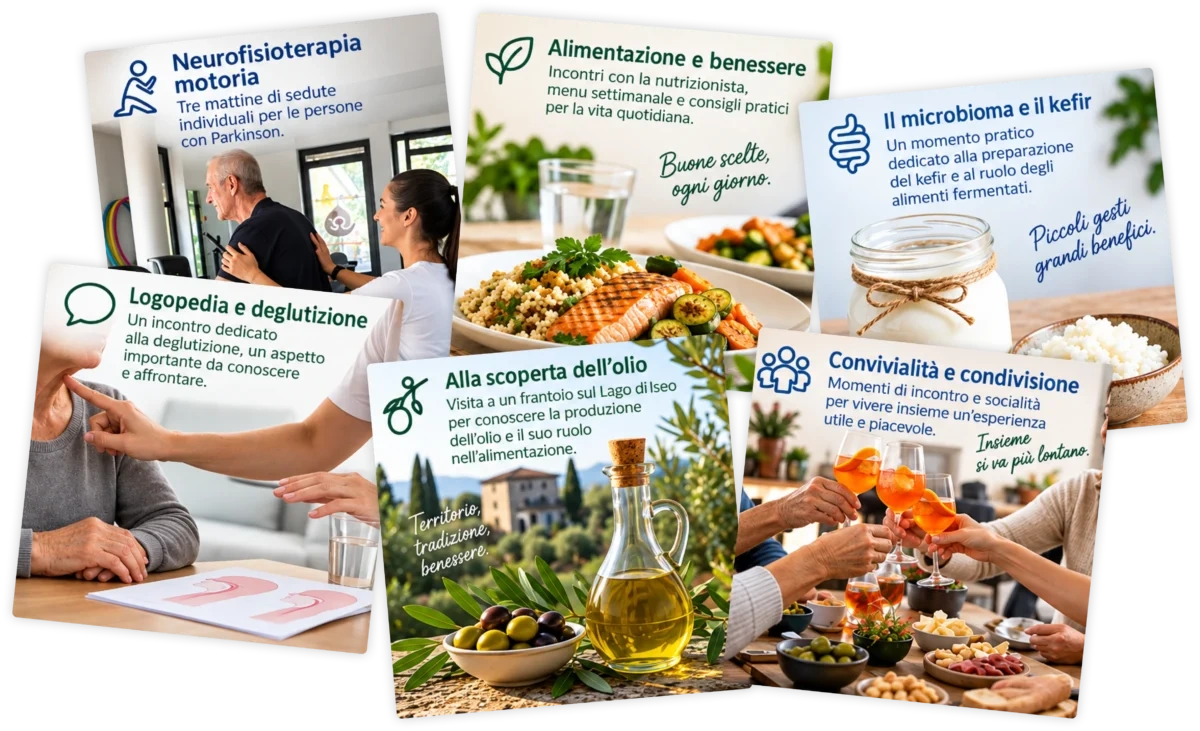
Gastronomic Activity Break (4 nights)
Sources
- Parkinson’s Foundation] .
- *video Bryce Perry
- Mastering Medication Timing and Tracking Patterns: Levodopa has a short half-life and converts rapidly, making consistent timing essential.
- Tracking “ON” and “OFF” periods helps establish predictable routines, prevents sudden dopamine crashes, and minimizes dyskinesia
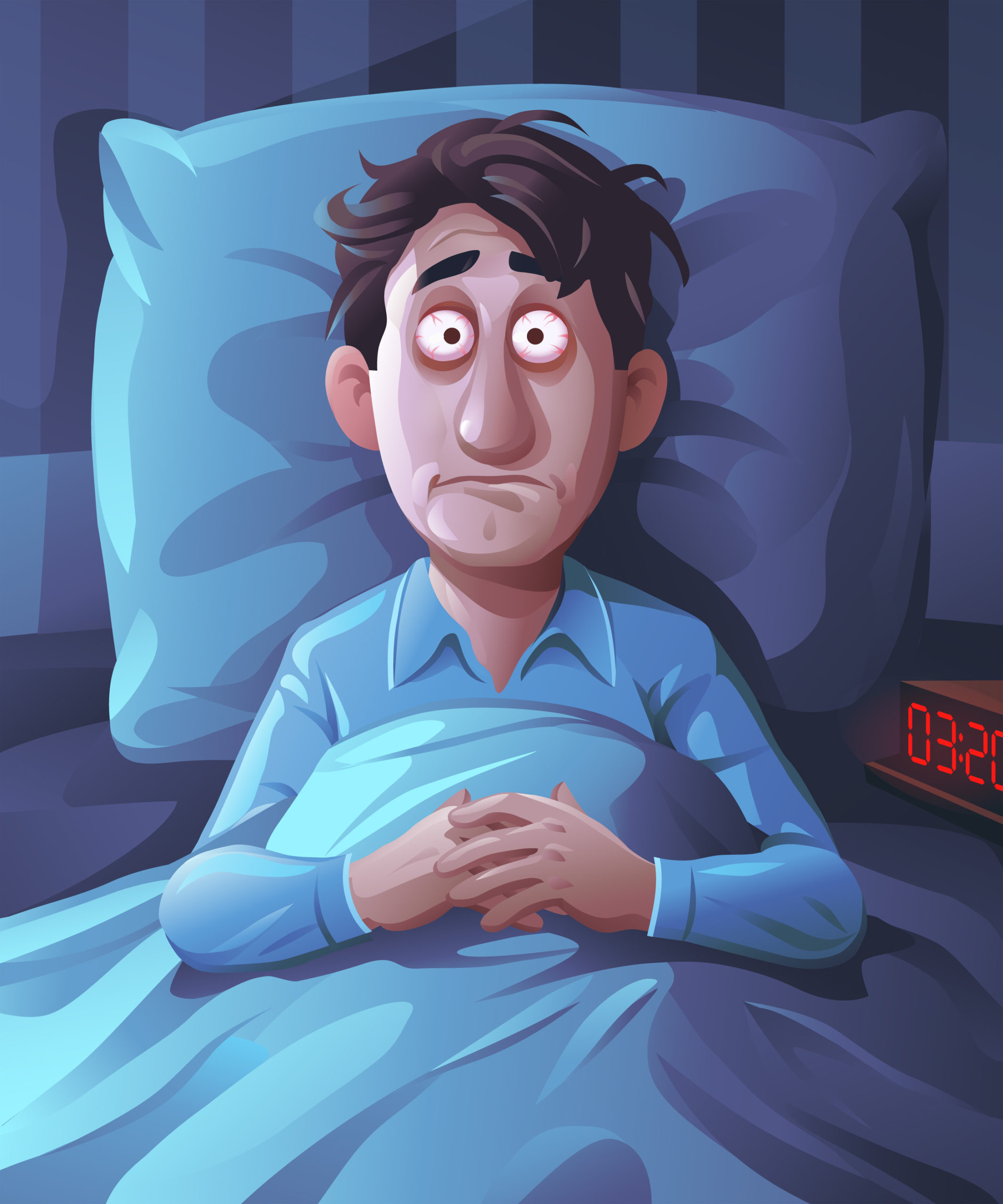
- Prioritizing Sleep Hygiene and System Recovery: Sleep is essential for brain recovery, mood stability, and physical restoration
Maintaining a consistent wake-up time stabilizes the nervous system and helps manage day-long energy levels - Managing Stress and Avoiding Overanalysis: Chronic stress triggers nervous system overdrive, worsening tremors, stiffness, and cognitive fog
- Ceasing the habit of overanalyzing every minor twitch breaks the stress cycle that feeds physical symptoms
- Optimizing Nutrition, Hydration, and Gut Health: Drinking adequate water and eating a fiber-rich whole-food diet alleviates constipation, boosts energy, and aids drug absorption.
- Embracing Proactive Empowerment and Acceptance: Reframing diagnosis from a passive “sentence” into an active self-management journey builds emotional resilience.
- Remember, acceptance is not giving up; it means ceasing the argument with reality so energy can be focused on living well today.9Engaging Care Partners and Assembling Expert Teams: Parkinson’s impacts the entire household, making shared communication and caregiver support essential to avoid burnout
- Overcoming isolation through peer mentorship (“patients teaching patients”), local support groups, and online networks provides crucial emotional comfort and practical advice .
Cook on low temperature for the rest of your life
Treating the Person, Not Just the Disease: Programs like the European Parkinson Therapy Centre’s ReGen protocol demonstrates, that person-centered care in non-clinical, restorative settings (such as thermal spa resorts) restores dignity, joy, and functional independence.