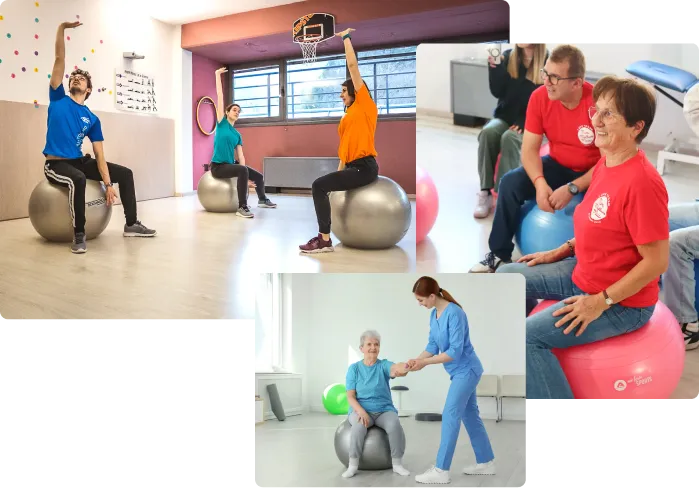
What is the Bobath method?
The Bobath method is an internationally recognized therapeutic approach, developed for the rehabilitation of people living with central nervous system injuries.
Developed in the 1940s by Karel and Berta Bobath, it is constantly updated thanks to advances in neuroscience and biomechanics.
It is a method based on clinical problem-solving: the therapist analyzes your movement abilities in depth, identifies the causes of the deficits, and creates a customized rehabilitation plan for you.
Each treatment aims to recover lost functions, reduce atypical movements, and promote more effective and natural motor control.
Benefits and goals of treatment
With the Bobath method, rehabilitation becomes a continuous learning process that engages both body and mind.
The goal is to restore your autonomy, confidence, and self-confidence in your movements.
The main advantages
Conditions treated with the Bobath method
The Bobath method is indicated for adults with neurological disorders that impair movement and coordination.
- Stroke and Head Trauma
Spinal Cord Injuries
Multiple Sclerosis and Ataxic Syndromes
Parkinson’s Disease and Parkinsonism
Amyotrophic Lateral Sclerosis (ALS) - Spinal Cord Injuries
- Multiple Sclerosis and Ataxic Syndromes
- Parkinson’s Disease and Parkinsonism
- Amyotrophic Lateral Sclerosis (ALS)
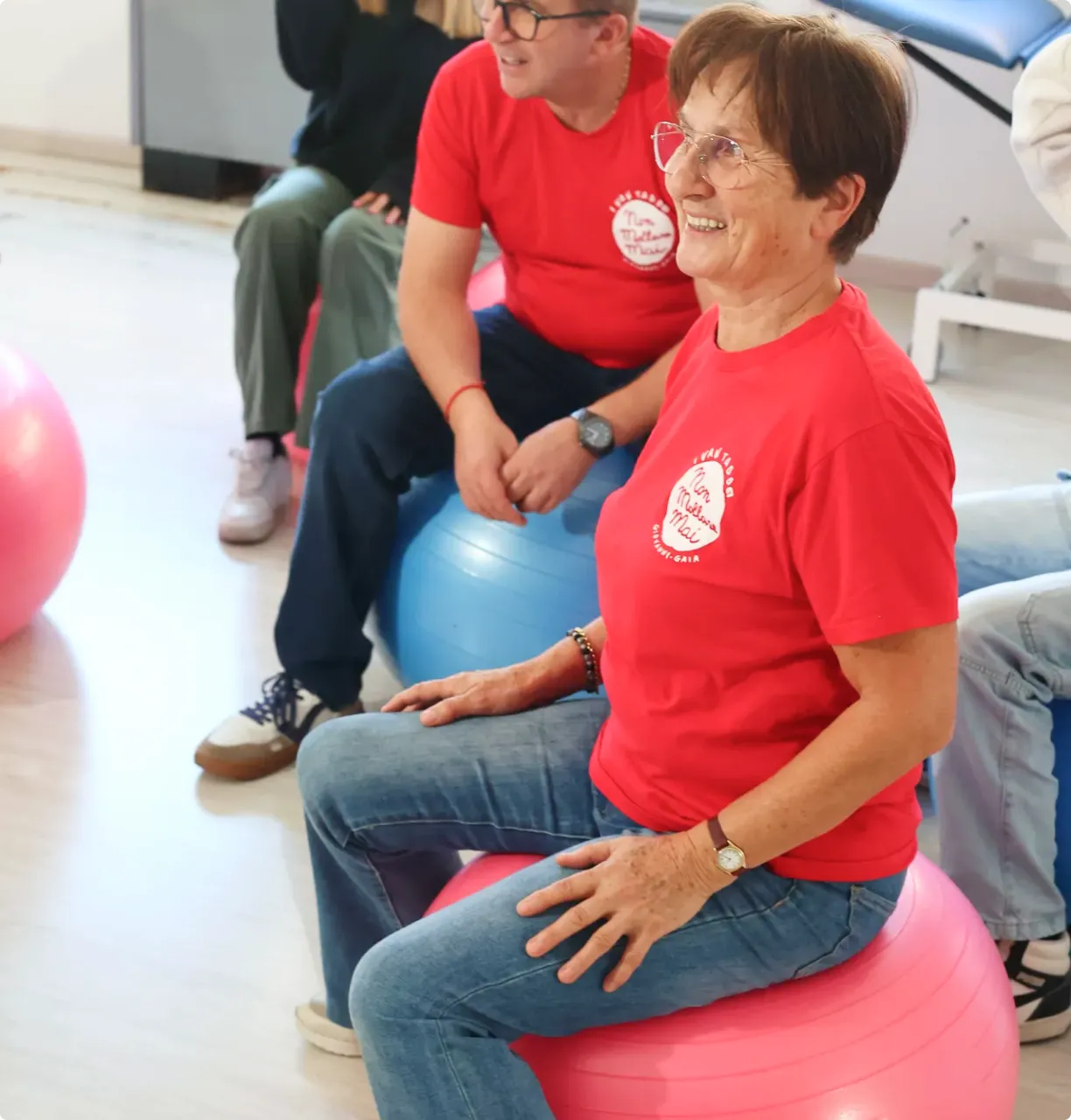
How does the treatment work?
During sessions, the therapist guides you through targeted movements and facilitation techniques that stimulate neuroplasticity, the brain’s ability to adapt and create new connections.
Through observation and repetition of correct movement patterns, the body learns to regain strength, balance, and fluidity, allowing you to regain the independence you need to perform your daily activities effectively.
Types of programs and treatments
We offer two treatment modalities, both customized to your specific needs.
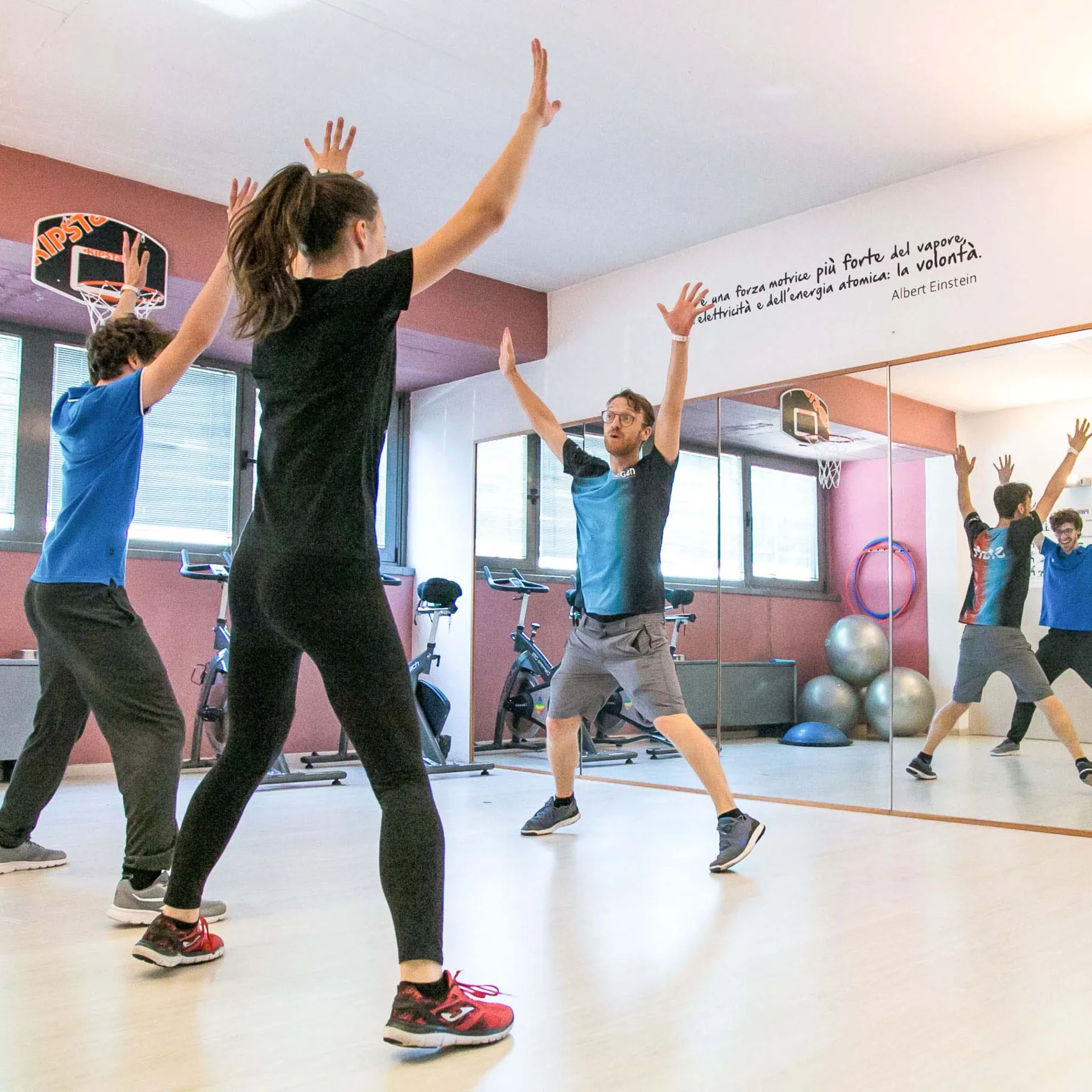
Local program
Regular and personalized sessions, ideal for those who wish to maintain their results over time.
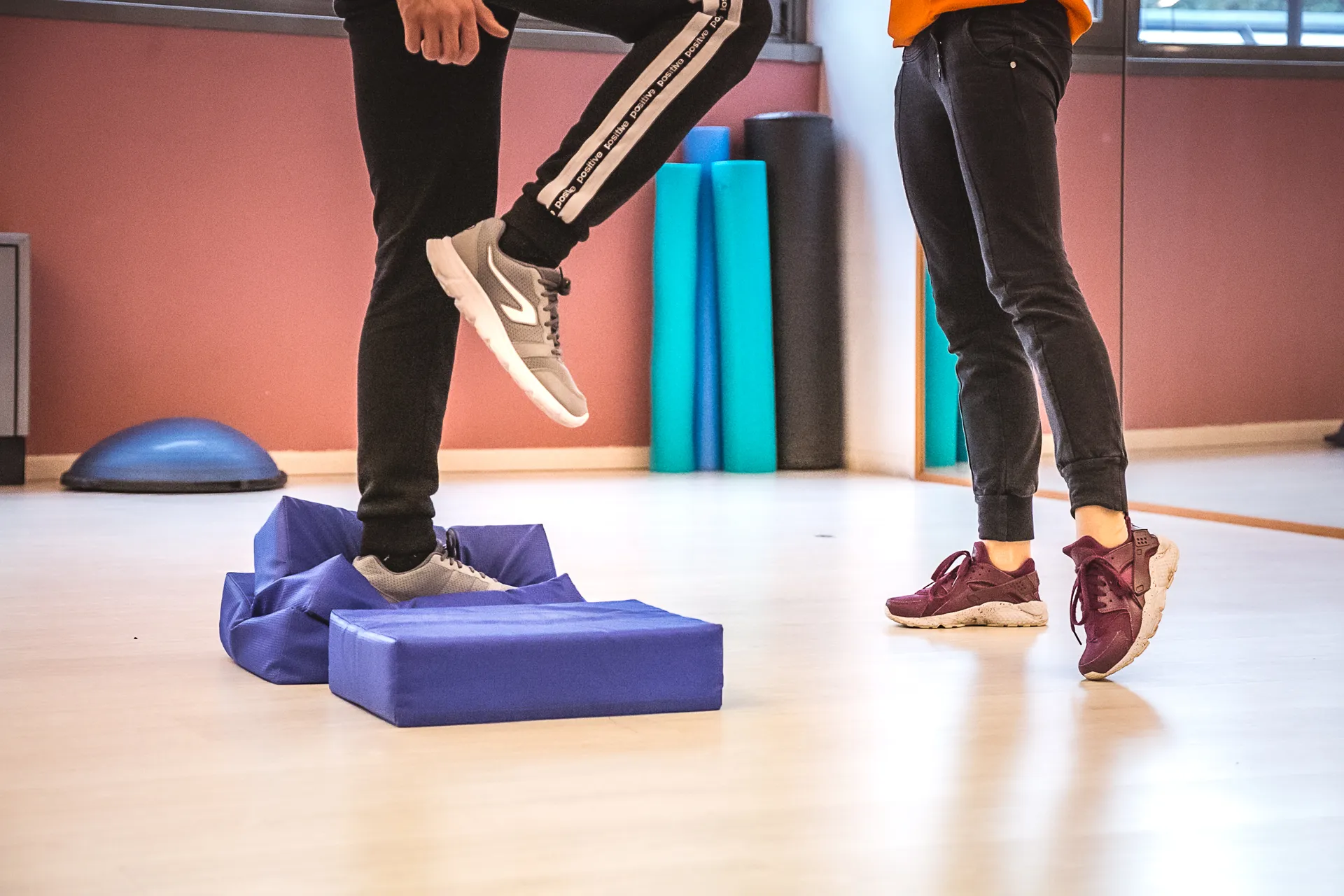
Intensive program
Intensive one-week treatment with daily sessions inspired by the Bobath Concept, integrated with targeted physiotherapy and complementary rehabilitation techniques to optimize functional recovery.
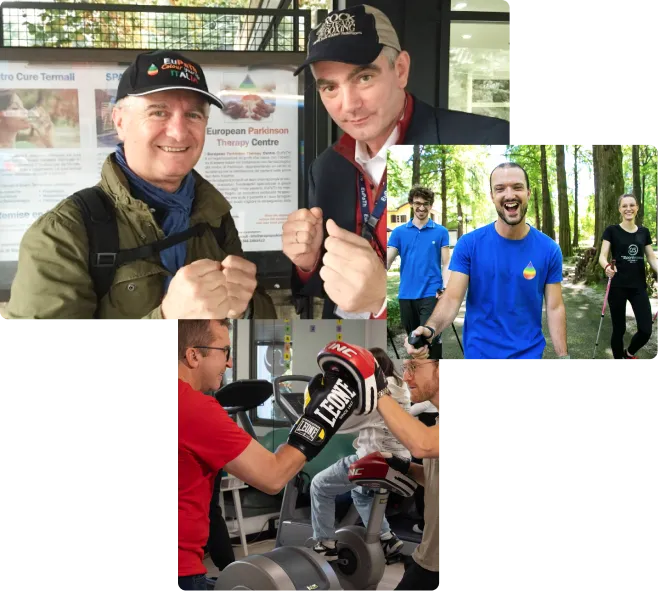
For over 12 years we have been developing the most advanced program with the best experts to help you live better with Parkinson’s
Receiving a Parkinson’s diagnosis changes everything: the fear, uncertainty, and loneliness are real, and they affect not only those who are ill, but also those around them.
Alex Reed, our founder, experienced this firsthand. Diagnosed at a young age, he quickly discovered how outdated and degrading the way patients were treated was.
We believe that no one should feel like a victim: everyone can live fully, facing the disease with hope and without resignation.
At Boario, every guest becomes part of our extended family. We walk together, step by step, to achieve concrete results that improve the quality of life for you and your loved ones.