Table of contents
Alexander Reed: A Visionary Fighting Parkinson’s from Within
“The Man Who Redefined Parkinson’s Care”
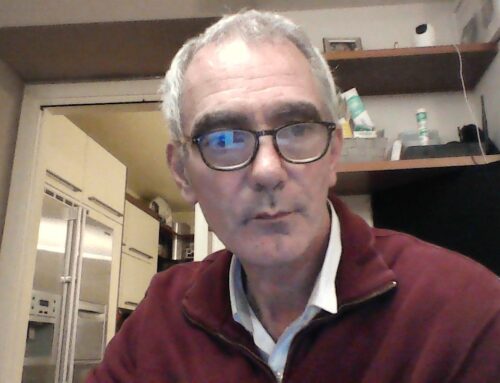
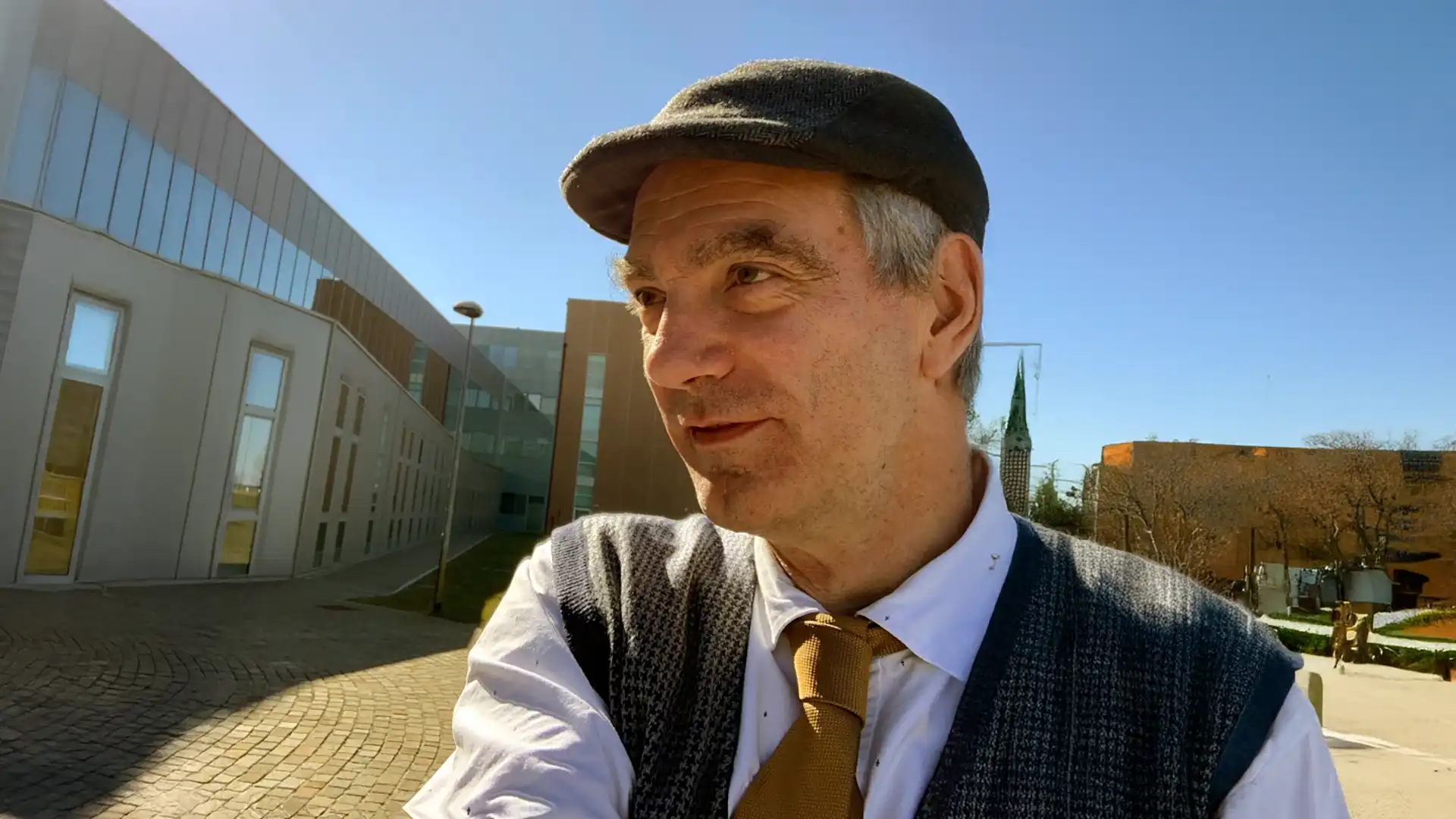
Alexander Reed, a man whose imposing figure and unmistakably British features belie a gentle demeanour and carry a profound understanding of Parkinson’s. Diagnosed at the age of 43, he refuses to be defined by the condition, and insists on referring to “people with Parkinson’s” – never “patients.” This subtle yet powerful distinction encapsulates the philosophy that drives his life’s work: to empower individuals to fight back, reshape their existence, and dramatically improve their quality of life. And to redefine Parkinson’s and the way in which it is treated.
His success is seen in the advanced main centre in one of the most famous buildings in the area. !00% approval rating from clients. Copies of the centre (which REED encourages) in 24 countries, and clients from over 45 countries all attracted to the centre by recommendations from clients, neurologists and national and international associations.
Reed is not merely the director and founder of the European Parkinson Therapy Centre (www.terapiaparkinson.it) in Terme di Boario, Brescia; he is its living embodiment. This cutting-edge centre, unique in Europe, stands as an innovative beacon for all institutions treating Parkinson’s, fuelled by Alexander’s deeply personal mission.
The Genesis of a Revolution: From Helplessness to Hope
“The idea for the European Parkinson Therapy Centre was born from a stark, objective reality,” Alexander explains, his native English accent adding a layer of conviction. “When we, people with Parkinson’s, leave a neurologist, newly diagnosed with Parkinson’s and are told ‘See you in six months’, our lives can feel like they’re falling apart. I experienced that firsthand. I know the devastating impact of diagnosis, the fear, the uncertainty and it has not just on the individual, but on the entire family.”
Having spent his career in business consulting, building ventures for others, Alexander decided to channel that expertise into a non-profit organisation for the benefit of his community. “We recognised a fundamental flaw in the existing system: people with Parkinson’s often feel profound distress and receive insufficient data, and are overwhelmed with feelings of fear and anxiety with a lack of information. More than 50% experience clinical depression and apathy.”
To counter this, Alexander assembled a dream team of the world’s leading experts, primarily from Great Britain and the United States. He highlights collaborators like Dr. Jay Alberts of the Cleveland Clinic, a global authority on forced exercise, whose groundbreaking research has shown how specific cycling protocols can significantly reduce Parkinson’s symptoms. He also champions Dr. Becky Farley, founder of Parkinson Wellness Recovery (PWR!), an internationally recognised expert in how targeted exercise can drive neuroplasticity and empower individuals. This blend of cutting-edge science and lived experience is the bedrock of the Centre’s success.
Beyond the Hospital Walls: A Holistic Approach to Wellness
What truly sets the European Parkinson Therapy Centre apart from traditional medical institutions?
“The fundamental difference is our environment,” Alexander states emphatically. “We operate within a place designed for wellness – Terme (Spa) di Boario. This encourages people with Parkinson’s to accept the help we offer because they come here to feel good. The psychological barrier of entering a hospital as a ‘patient’ is completely removed.”
Crucially, the Centre embraces a family-centric model. “We treat the entire family, and they are wholeheartedly welcome. Living with Parkinson’s is a shared journey, and it’s not easy. Doing too much for us, treating us like victims can be counterproductive. Like war victims who believe they have no choice, people with Parkinson’s often fall into the trap of thinking their future is predetermined. But that is simply not the case.”
Alexander’s voice carries a powerful message of empowerment: “Parkinson’s is one of the few diseases where the individual can profoundly change the future course of their condition. Sadly, this liberating truth often remains hidden from those who need it most.”
Unlocking Potential: The ReGen Protocol and the Four Pillars of Life
How does the Centre empower individuals to discover this truth?
“Through our multi-level approach, embodied in our ReGen therapeutic program-protocol,” Alexander explains. “We simultaneously work on four interconnected pillars of therapy, considering all elements necessary to rebuild and restore hope and truth for people with Parkinson’s.”
- Medicine: “This is the essential, basic pillar. Medications are crucial, but they are not a crutch or the sole answer.”
- Movement: “Movement is fundamental, not only for symptom management but because its effects protect against neurodegeneration and increase neuroplasticity. We utilise a unique therapy where individuals apply their mind and body to rebuild new neural connections, regaining movement as if after a stroke.This includes pioneering work with technologies like specialised treadmills and the integration of concepts like “forced exercise”.”
- Lifestyle: “We often forget that we are all subject to a degenerative condition far worse than Parkinson’s – ageing. While ageing brings limitations, we don’t declare our lives over at 60. Yet, with Parkinson’s, people often do, because it wasn’t in their ‘plans.’ Parkinson’s can destroy what we thought we knew. Our work demonstrates that this condition doesn’t destroy us; it limits us. This means we must reshape our lives and accept Parkinson’s as a part of that life. This includes focusing on nutrition, stress prevention, and making conscious choices about how we live each day. “
- Psychology: “This is paramount, the fourth pillar of our protocol. One of the most prevalent and destructive problems for people with Parkinson’s globally is the apathy and depression that can set in. If this pillar collapses, it can bring down the others. Our psychological support helps individuals combat these challenges, shift their mindset, and embrace a proactive approach to their well-being. It’s about empowering people to become protagonists in their own lives, not victims of their diagnosis. “
A Legacy of Empowerment: Looking to the Future
Alexander Reed’s impact extends far beyond the walls of the European Parkinson Therapy Centre. His Centre is a Research Partner with Oxford Brookes University, contributing to studies on nutrition, handwriting, and the economic cost of Parkinson’s, advocating for early intervention to reduce healthcare burdens and keep people in the workforce longer. He actively collaborates with Parkinson’s Europe (EPDA) on initiatives like “the sharing of best practice” and the Unite project, and worked closely with Parkinson’s UK, Step Up Malta, Ireland, Belgium and many more. The Centre also plays a pivotal role in the national rollout of “First Steps,” an innovative early intervention project designed and developed by European Parkinson and applied across the UK under Steve Ford’s leadership of Parkinson UK: First steps had stunning results, and Alexander has served as a consultant to Zambon, a leading Italian medical research company.
Alexander Reed is not just living with Parkinson’s; he is actively changing the narrative around it. His unwavering dedication and the transformative work of the European Parkinson Therapy Centre offer a powerful message of hope and a clear roadmap for living a full, empowered life with Parkinson’s. His belief is simple, yet revolutionary: Parkinson’s doesn’t have to define you. You have the power to fight back, adapt, and thrive.